
Ofsted Inspection Updates
Ofsted has updated the way nurseries are inspected from 2025, with clearer report cards that show simple grades alongside short explanations of what each setting does well and where it can improve.
Nurseries are now graded on a five-point scale, Exceptional, Strong Standard, Expected Standard, Needs Attention and Urgent Improvement, across key areas such as teaching, early years care, children’s progress, inclusion, leadership, wellbeing, and behaviour.
Lightwater’s New Ofsted Report
Monkey Puzzle Lightwater’s most recent Ofsted report was published in November 2025, confirming that safeguarding standards were fully met and children’s safety and wellbeing remain a top priority. The nursery achieved Expected Standard across five key areas of inspection, alongside a Strong Standard in one area, reflecting the high-quality care, learning and support provided by the team. Parents and carers can read the full Ofsted report here to learn more about the inspectors’ findings.
New Ofsted Report





What Ofsted Highlighted
Children’s Welfare and Wellbeing – Strong Standard
Staff and leaders at the nursery know each child well, creating a safe, secure and nurturing environment where children arrive happy, confident and ready to learn. Through strong relationships and detailed understanding of each child’s needs, including emotional wellbeing, health and dietary requirements, staff provide responsive care, particularly for babies and younger children, adapting routines to prioritise wellbeing. Their strong knowledge of child development helps ensure learning experiences are inclusive and tailored to each child, supported by close partnerships with parents to give every child the best possible start.
Achievement – Expected Standard
Children make strong progress in their communication, language, and physical development, benefiting from a curriculum that builds vocabulary through books, rhymes, visual aids, gestures, and signs. Staff adapt teaching strategies to support all children, including those with special educational needs or barriers to learning, helping them develop skills in numbers, shapes, and colours. Children also have regular opportunities to develop their physical skills, independence, and self-care, from handwashing and feeding themselves to recognising their belongings and making meaningful marks, preparing them well for the next stage of their learning.
Behaviour, Attitudes and Establishing Routines – Expected Standard
Children arrive eager to learn and settle quickly, staying engaged in activities and confidently sharing their ideas. They behave very well, understand expectations, and are encouraged by staff who model positive behaviour and reinforce rules. Children show patience, take turns, and share resources, while staff support them in understanding and managing their emotions. Leaders work proactively to reduce barriers that may affect attendance, follow up on unexpected absences, and ensure children can fully access their early years entitlement.
Curriculum and Teaching – Expected Standard
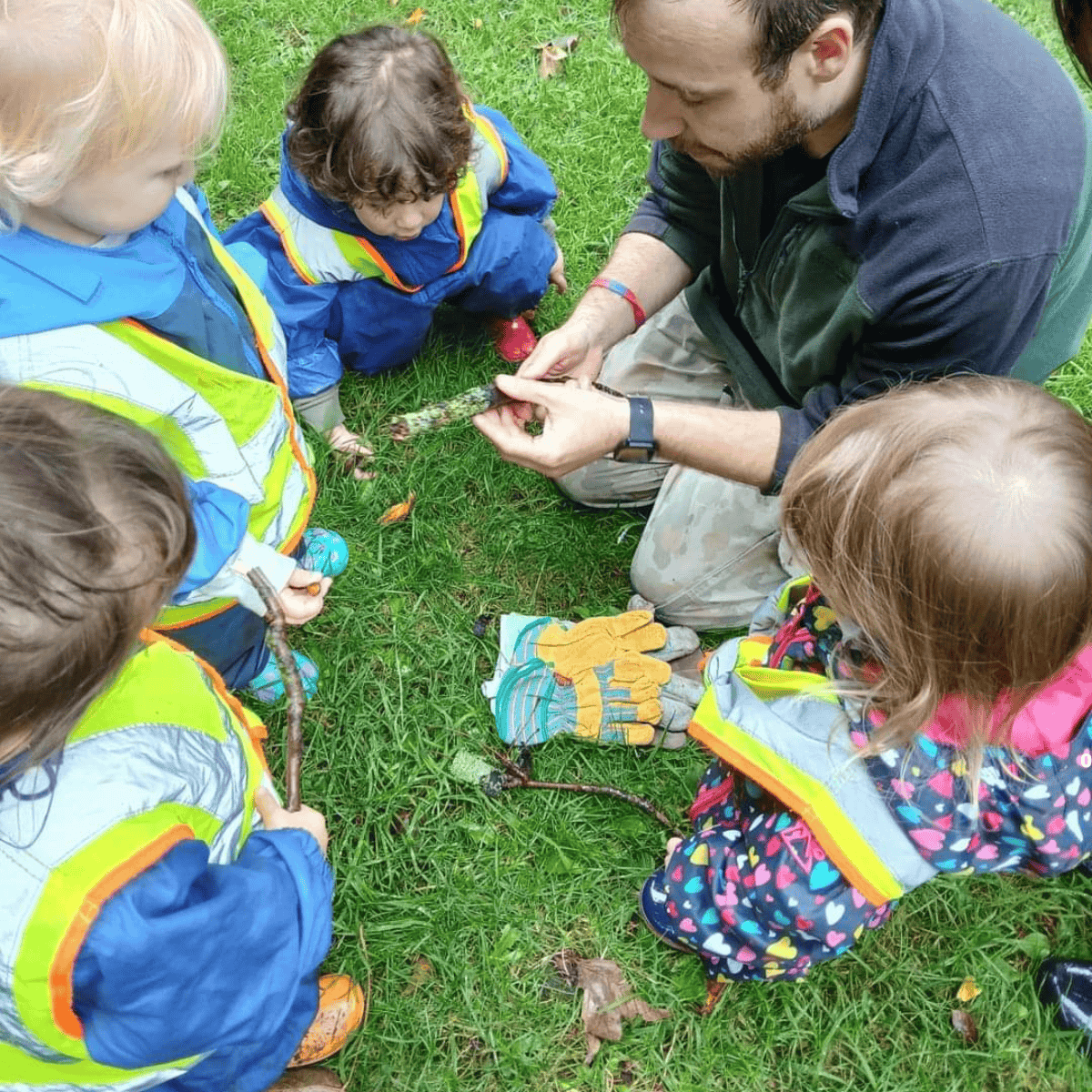
Staff plan purposeful activities that build on what children need to learn next, using their interests to make play engaging and enjoyable. Leaders ensure a carefully sequenced curriculum gives all children access to a broad and balanced range of learning, with a strong focus on communication, language, and physical development to support independence in play and self-care. Stories, books, and songs are used to develop knowledge across all areas, including mathematics, while babies are given tailored experiences, such as reaching for objects to encourage movement and exploration. Leaders monitor teaching closely to understand its quality and support ongoing improvements, particularly for the newer staff team.
Inclusion – Expected Standard
Leadership and Governance – Expected Standard
Leaders at the nursery are experienced and make effective decisions to support children’s learning, wellbeing, and safety, modelling the care and education they expect staff to provide. Parents are highly positive about the quality of care, reporting that their children are happy to attend, and staff keep them well informed about progress. All staff receive thorough induction and regular one-to-one supervision, helping them feel valued and supported, with a strong focus on wellbeing. Leaders manage the team effectively, including new settings, and have systems in place to monitor and support children with additional needs, while also identifying opportunities to further develop staff skills and accelerate children’s learning.